精读笔记
Problem Setting
Towards Standardized Light Field Quality Assessment: Hybrid Subjective Benchmarking and Objective Metric Evaluation(arXiv preprint / 2026)关注的是 LF QA 标准化中的一个基础问题:如何产生足够可靠、足够细粒度、又能覆盖现代 LF coding pipeline 的 subjective ground truth,用来评估 objective metrics。这里的关键矛盾不是“怎么定义 LF 质量”,而是 fidelity evaluation 同时要求 reference anchoring、局部可分辨性、实验可扩展性和 distortion diversity。
以前方法卡在两端:rating-based protocol 有清晰语义和可操作性,但在高质量/小差异区域容易饱和;pairwise comparison 有强 discriminability,但对 LF 这种需要跨视角观看的 extended stimulus 成本过高。objective metrics 方面,很多传统 image/video metrics 在 coding-only 上还能工作,但遇到 view interpolation、3DGS reconstruction、局部几何偏移和 angular inconsistency 时会明显失效。因此这篇论文真正要解决的是:给标准化组织一个可执行的 benchmark + subjective protocol + metric stress test,而不是提出一个新 QA 模型。
Motivation
已有路线不够的根本原因是 evaluation target 本身不稳定。LF metric 的发展长期受限于数据集小、失真类型窄、主观标注分辨率不足,以及 public implementation 缺失。尤其是现代 LF pipeline 已经从“dense LF 直接编码”转向“sparse views 编码后重建 dense LF”,这会引入传统压缩指标不擅长处理的合成类失真:局部错位、视角不一致、重建漂移、非 Lambertian 区域错误等。
作者的关键缺口判断是对的:如果 benchmark 只覆盖 compression artifacts,那么 metric 的高相关性很可能只是对 coding distortion 的局部适配,不能说明它能用于 future LF coding/reconstruction workflows。另一个缺口是主观协议:标准化需要 reproducible 和 interpretable scores,但 objective metric 评估又需要细粒度局部排序;单一 DSCS 或 full PC 都不合适。
Core Idea
核心思想是把 subjective QA 分解为两个不同功能的信号源:DSCS 提供全局 reference-based degradation scaffold,PC 只在 DSCS 无法分辨的局部区域中提供额外排序信息。换句话说,它不是用 pairwise comparison 取代 rating,而是把 PC 作为 rating scale saturation 的局部修正器。
这个设计引入的 inductive bias 是:大部分质量差异可以由 reference-anchored ordinal score 决定,只有处在同一 perceptual bin 的刺激需要昂贵的 pairwise evidence。这样既保留了 DSCS 的语义解释,也避免 full PC 在 LF extended viewing 下的 combinatorial blow-up。和 prior 的本质区别在于,它把 subjective evaluation 从单一测量协议变成了一个分层信息融合问题:先获得粗结构,再在 ambiguous manifold 上加密采样。
Method
方法上最重要的不是具体 codec 或具体指标列表,而是三层机制。
第一,stimulus generation 把 benchmark 拆成 coding-only 和 sparse coding + reconstruction 两大族。这样做解决的是 distortion-family generalization 问题:如果一个 metric 只会预测压缩噪声,它会在 reconstruction artifacts 上暴露出来。核心变化是 benchmark 不再默认 LF degradation 等价于 per-view compression degradation。
第二,DSCS+PC 主观流程把评分任务的 global anchoring 和 local resolving 解耦。DSCS 阶段得到 Same / Slightly worse / Worse / Much worse 的粗尺度;PC 阶段只针对同一 observer 给出相同 DSCS category 的刺激对,尤其集中在 Slightly worse 和 Worse。这样 PC 的实验预算被用于最有信息量的位置,而不是浪费在明显优劣的刺激对上。
第三,score reconstruction 把 DSCS 隐含的偏好关系和 PC 观测都转成 pairwise comparison matrix,再用 Thurstone Case V 估计 latent scale,并以 reference node anchor。这个机制的意义是把 ordinal ratings 和 binary preferences 放进同一个 probabilistic preference space,而不是简单平均两个分数。
第四,objective metric evaluation 不只做全局相关性,还测试 local resolving power、cross-distortion residual 和 pooling strategy。这个评估设计在机制上更接近 stress test:它问 metric 是否能在局部小差异、跨失真族迁移、跨视角聚合三个维度上保持一致。
Key Insight / Why It Works
最核心的有效性来自信息采样策略,而不是复杂建模。DSCS 已经足以确定大部分粗排序;PC 的价值集中在 DSCS category 内部,尤其是高质量和中高质量区域。因此 selective PC 本质上是一种 subjective-label acquisition 的 active refinement,虽然文中没有把它表述为 active learning。它用很少的额外实验成本提高了 latent perceptual scale 在 ambiguous region 的分辨率。
另一个重要 insight 是:LF objective metric 的主要瓶颈不是单视图感知质量估计,而是 distortion-family robustness 和 view aggregation。coding-only 上表现好的指标,在 reconstruction-based stimuli 上出现系统性 residual,说明很多 metric 学到或编码的是压缩失真的 perceptual mapping,而不是 LF perception 的通用结构。这里的失败不是 PLCC 低这么简单,而是 calibration on coding artifacts 不能迁移到 synthesis artifacts。
我认为这篇最实质的贡献是 benchmark/protocol 层面的 representation alignment:把 subjective target 对齐到 objective metric 真正需要评估的局部可分辨结构。相比之下,anchor metrics 的排名不是核心贡献,更多是诊断。view pooling 的结果也很有价值:mean pooling 隐含“整体平均质量决定体验”的假设,但 LF 中局部坏视图可能主导感知,尤其在探索式或序列式观看中。这个结论值得迁移到 multi-view video、NeRF/3DGS rendering QA、free-viewpoint video QA。
需要直说的是,论文没有真正解决 LF metric 设计问题,它解决的是 metric evaluation target 的质量问题。所谓 metric insight 主要来自更好的数据覆盖和更细 subjective labels,而不是提出新的 perceptual model。部分结论可能主要来自 scaling / data:更多 scenes、更多 distortion families、更规范 subjective processing,使已有 metrics 的局限显现出来。
Relation To Prior Work
这篇工作最接近三条线:LF subjective QA 标准化、pairwise/rating unified scaling、objective IQA/VQA metric benchmarking。它不是从 LF-specific metric design 那条线推进,而是从 standardization benchmark infrastructure 推进。
和传统 DSIS/DSCS/ACR 类 rating 方法相比,差异在于它承认 rating scale 的局部分辨率不足,并把 PC 作为局部补偿。和 full PC / triplet comparison 相比,差异在于它不追求全局相对排序,而是保留 reference fidelity 的语义锚定。和已有 LF QA datasets 相比,真正新增的信息是把 coding-only 与 interpolation/3DGS reconstruction 放在同一 subjective scale 下,从而能检验 metric 的跨失真族迁移。
看似新的 hybrid protocol,其实思想上是已有 rating-to-pairwise unification、selective comparison、Thurstone scaling 的重组;实质创新在于把它工程化到 LF 标准化场景,并证明这种重组对 objective metric evaluation 有用。它属于 benchmark/methodology paper,而不是 model paper。
Dataset / Evaluation
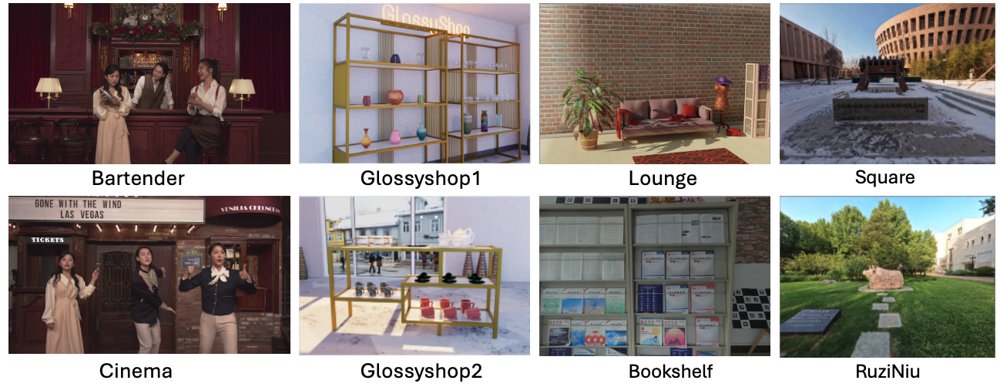
数据集覆盖 8 个 source scenes,包括自然/合成、不同 angular grids、不同 baseline、不同 texture/geometry/non-Lambertian 条件;stimuli 覆盖 coding-only、interpolation reconstruction 和 3DGS reconstruction。这个覆盖范围比只看 compression 的 LF QA benchmark 更贴近未来编码系统,但仍然不是完整真实部署:显示方式是 2D calibrated display 上的 passive serpentine sequence,不是 HMD/free navigation,也不是真实交互式 viewing。
评估基本支持论文核心 claim:hybrid scores 跨 cohort 一致,PC refinement 对 ambiguous pairs 有额外解释力;objective metrics 在 coding-only 上明显好于 full benchmark,说明 reconstruction artifacts 确实是 current metrics 的弱点;pooling 分析说明 mean-view aggregation 不是总合理。它验证的是“当前 metric evaluation 需要更宽 distortion coverage 和更细 subjective target”,而不是“某个 metric 已经解决 LF QA”。
明显 limitation 是 3DGS track 只覆盖 pose/reconstruction 稳定的 6 个 scenes,这可能让 neural reconstruction 失真的分布被筛选过。插值方法按 scene 选择也可能引入人为适配。文中未充分说明这些选择对结论的敏感性。
Limitation
最大限制是它仍然依赖受控实验中的 passive LF visualization。LF perceived quality 在真实应用中可能由交互轨迹、用户注意、任务目标、display geometry、depth comfort 共同决定;这里的 subjective target 更像 standardized rendered sequence quality,而不是完整 immersive LF experience。
第二,hybrid protocol 假设 DSCS global category 基本可靠,PC 只修正同类内部。如果 DSCS 对某类 artifact 有系统偏差,例如观众对 angular inconsistency 的感知滞后或对局部闪烁过度敏感,PC 的局部设计不一定能修复跨 category 的错序。
第三,objective metric analysis 的增益归因有限。metric performance drop 可以说明 reconstruction artifacts 难,但不能精确区分是 geometric misalignment、angular inconsistency、temporal/view-order artifact、non-Lambertian failure 还是 pooling 错误导致。论文把这些归为 synthesis distortion family,诊断粒度还不够。
第四,scalability 仍有上限。Selective PC 比 full PC 可扩展,但仍需要两阶段实验、observer-specific trial generation 和 Thurstone reconstruction。用于标准化 CfP 是合理的,用于频繁迭代大型 neural rendering 系统则成本仍高。
第五,泛化不是完全证明出来的。跨 cohort 一致性强,但 cohort 仍在相似实验协议和显示条件下;跨设备、跨交互方式、跨文化/观看习惯的 reproducibility 文中未充分说明。
Takeaway
- 最值得记住的第一点:LF QA 的核心难题已经从单视图 fidelity 转向空间-角度-重建失真的联合评估,coding-only benchmark 会高估 metric 的泛化能力。
- 第二点:subjective protocol 本身可以被设计成信息采样问题。
- 先用 cheap rating 建全局结构,再用 expensive PC 修局部 ambiguity,这个思路可以迁移到 video codec evaluation、NeRF/3DGS rendering QA、multi-view streaming QA。
- 第三点:view pooling 是未来 LF metric 的关键设计变量。
一句话总结
这篇论文在 LF QA 方向中的位置是一个标准化 benchmark/protocol paper:它通过 DSCS+PC 构造更细粒度且可解释的 subjective target,并证明现有 objective metrics 在 sparse-to-dense reconstruction 失真下缺乏可靠泛化。